Raising 30,000 chickens successfully requires a blend of modern technology, meticulous planning, and sound management practices. For large-scale operations, leveraging automation is key to achieving efficiency, maintaining bird health, and ensuring profitability. Here’s a concise overview of the core components involved.
Housing and Space Planning
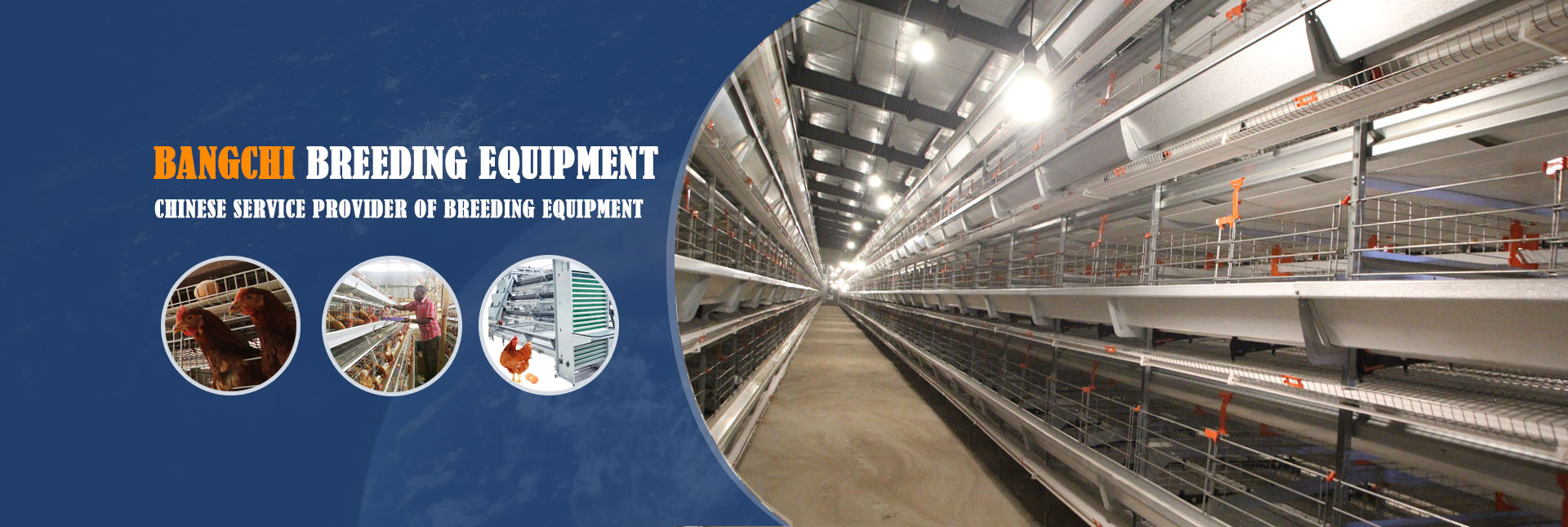
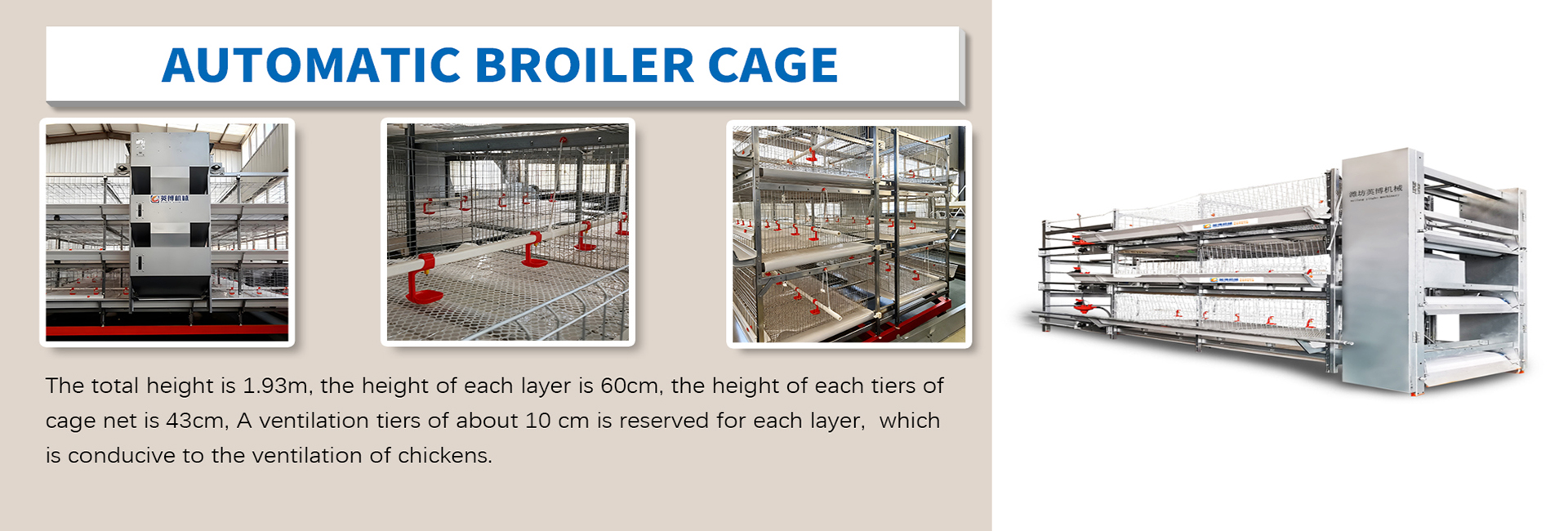
Adequate housing is the foundation. For 30,000 birds, a well-designed poultry house with optimized stocking density is critical. Automated battery cage systems or multi-tier layouts maximize space utilization and improve hygiene. Each bird should have sufficient room to reduce stress and prevent aggression, with facilities designed for easy monitoring and access .
Automated Equipment Essentials
Feeding Systems: Automated chain or pan feeders ensure precise, timely delivery of balanced feed, minimizing waste and supporting uniform growth
Watering Systems: Nipple-based automatic waterers provide clean, fresh water, essential for health and productivity
Climate Control: Smart ventilation systems with fans and cooling pads maintain optimal temperature (e.g., 21–26°C) and humidity, while minimizing ammonia buildup
Manure Management: Conveyor-belt systems remove waste efficiently, curbing disease risks and enhancing air quality
Monitoring and Biosecurity
Implement real-time environmental sensors to track air quality, temperature, and humidity. Pair this with strict biosecurity protocols: control site access, disinfect vehicles/personnel, and enforce vaccination schedules to combat diseases like Newcastle or avian influenza
Regular health checks and data analysis help detect issues early
Conclusion
Successfully managing 30,000 chickens hinges on integrating automation, environmental control, and proactive health measures. By adopting these strategies, farmers can boost productivity, streamline operations, and achieve sustainable growth.For professional equipment solutions, you can consult our industry experts to customize the system according to your needs..